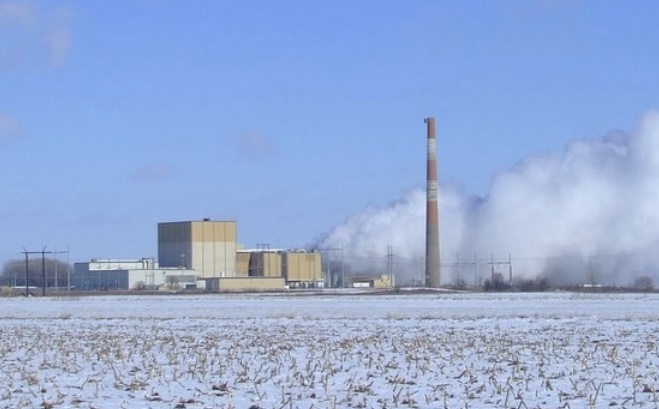
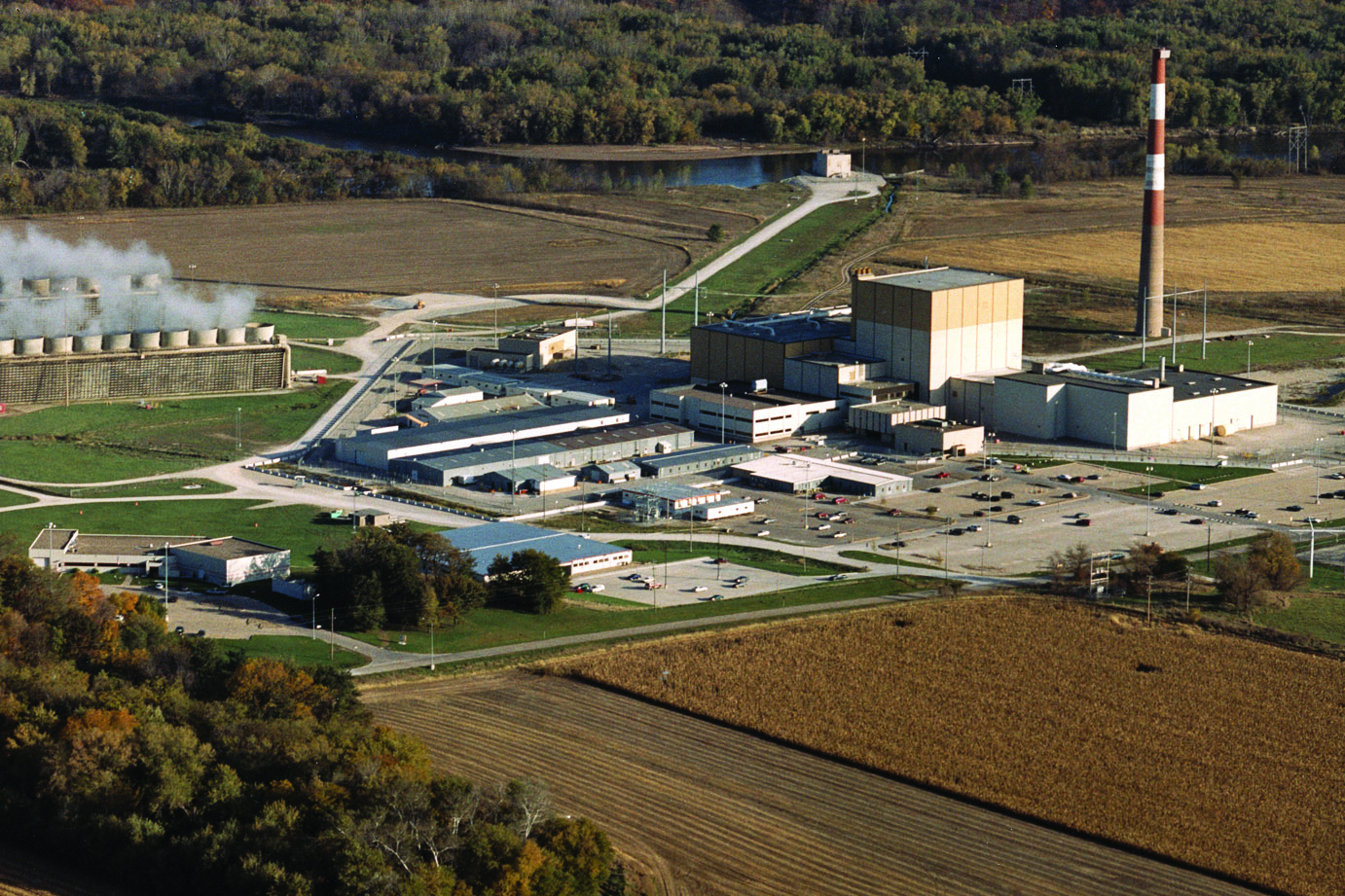
Duane Arnold nuclear power plant. (Photo: NextEra Energy Duane Arnold)
Efforts by NextEra Energy to restart the Duane Arnold nuclear power plant as early as 2029 continue to move forward with the Nuclear Regulatory Commission's preliminary environmental assessment and determination that the restart would have no significant environmental impacts.
On Thursday, the NRC posted a draft environmental assessment and a finding of no significant impact for the Palo, Iowa, facility; the Federal Register notice was published on Monday. The Department of Energy’s Office of Energy Dominance Financing is a cooperating agency on the draft EA, as the DOE is considering providing financial assistance to the restart project.
Duane Arnold nuclear power plant. (Photo: NextEra Energy Duane Arnold)
Updates from utility companies in Colorado and Arizona, nuclear legislation and discussions, and the potential Duane Arnold restart were among the news items in the month of June at the local and state levels.
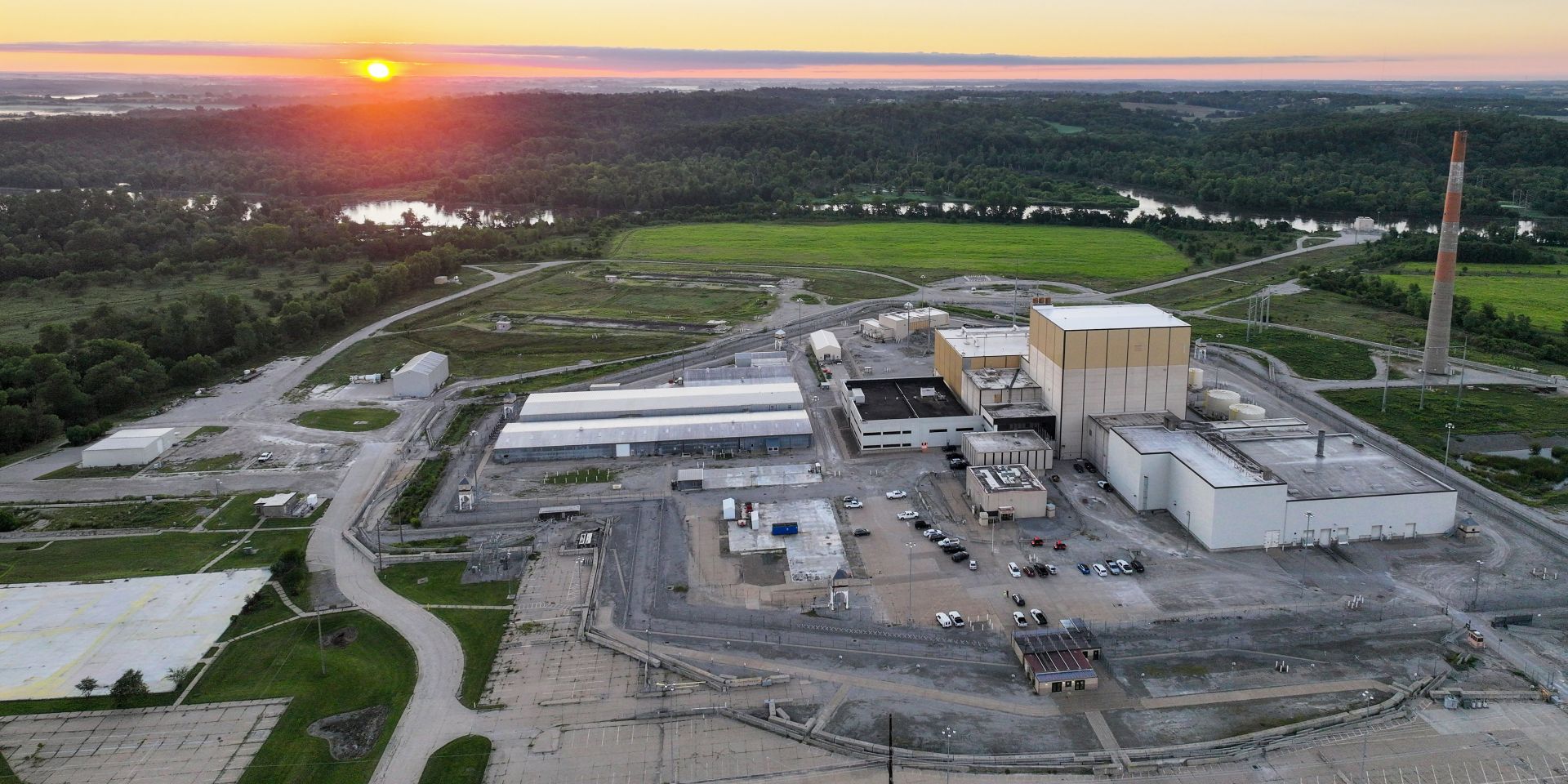
May 15, 2026, 3:01PMNuclear NewsCharlie Nichols and Mike Lukan Duane Arnold nuclear power plant. (Photo: NextEra Energy Duane Arnold)
For 45 years, Duane Arnold Energy Center operated in Linn County, Ia., near the town of Palo and just northwest of Cedar Rapids. The facility, owned by NextEra Energy, was the only nuclear power plant in the state.
In August 2020, a historic derecho swept across eastern Iowa with winds approaching 140 miles per hour. Damage to the plant’s cooling towers accelerated a shutdown that had already been planned, and the facility entered decommissioning soon after, with its fuel removed in October of that year. Iowa’s only nuclear plant had gone off line.
Today the national energy landscape looks very different than it did just six short years ago. Electricity demand is rising rapidly as data centers, artificial intelligence infrastructure, advanced manufacturing, and electrification expand across the country. Reliable, carbon-free baseload power has become increasingly valuable. In that context, Linn County has approved the rezoning necessary to support the recommissioning and restart of Duane Arnold and is actively supporting NextEra’s efforts to secure the remaining state and federal approvals.
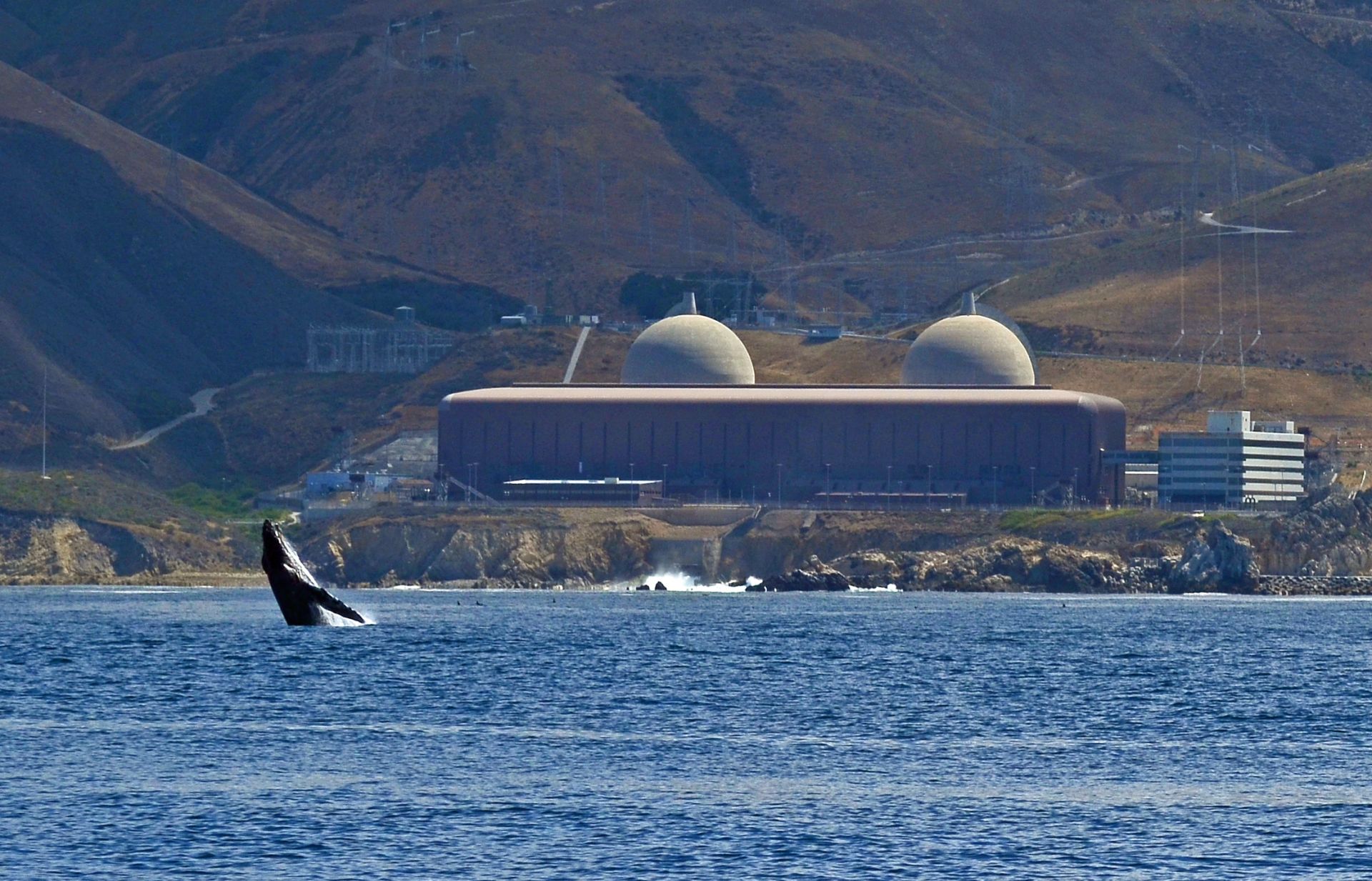
A whale swims off the coast by Diablo Canyon nuclear power plant. (Image: PG&E)
Pending, passed, and coveted legislation involving nuclear energy made their way across multiple state capitol buildings in the month of April. Here are a few notable updates from California, Iowa, Kentucky, and Missouri.
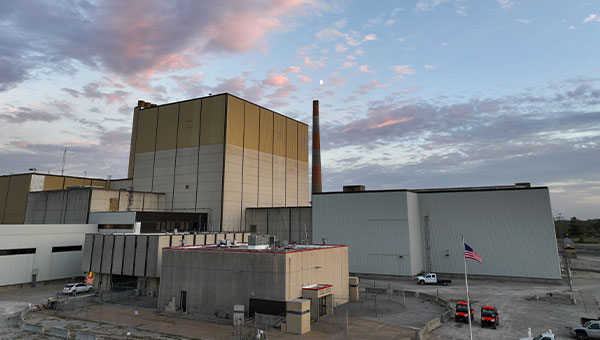
Duane Arnold nuclear power plant. (Photo: NextEra Energy)
The communities in and around Duane Arnold had a chance on Tuesday evening to hear from Nuclear Regulatory Commission officials on the progress to restart Iowa’s only nuclear power plant in early 2029.
Licensing, inspections and assessments, the noticing process, and the role of the restart panel were among the topics discussed at the public meeting, which was held in Cedar Rapids, Ia., with an option for virtual attendance.
The Duane Arnold nuclear power plant before its 2020 shutdown. (Photo: NextEra)
On a call with investors this week, NextEra announced that it is considering new nuclear development at its existing sites, as well as projects at greenfield sites.
As the company eyes new development, work on the restart of Duane Arnold hit another milestone this month, with Linn County approving the project’s rezoning application.
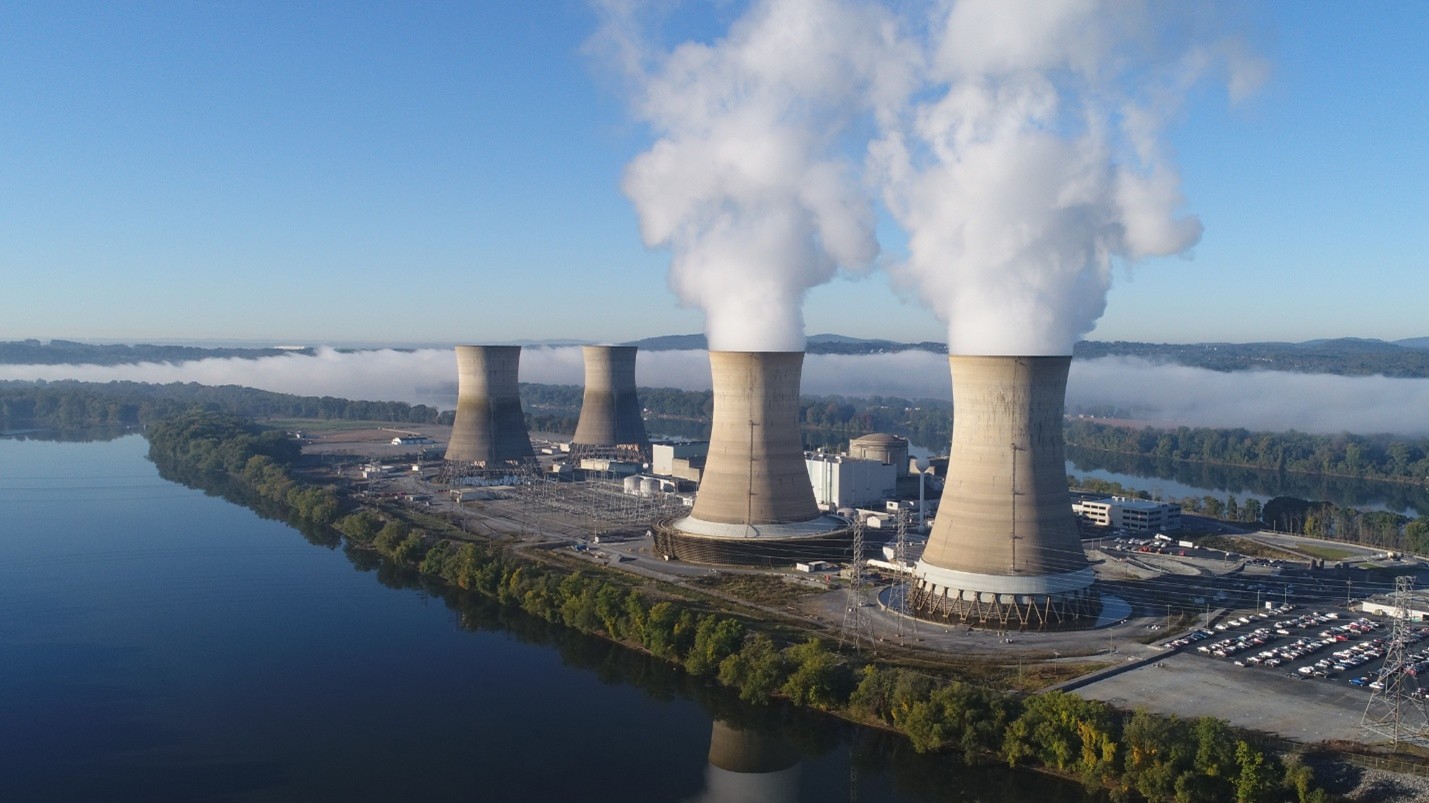
TMI-1 prior to its 2019 shutdown. (Photo: Constellation)
The Department of Energy announced on November 18 that it has closed on a $1 billion loan through its Loan Programs Office to Constellation to aid in financing the restart of the 835-MWe Crane Clean Energy Center, formerly Three Mile Island-1.
The Duane Arnold nuclear power plant before its shutdown. (Photo: NextEra)
A day anticipated by many across the nuclear community has finally arrived: NextEra Energy has officially announced its plans to restart Iowa’s only nuclear power plant, the Duane Arnold Energy Center.
The Duane Arnold nuclear power plant, in Iowa. (Photo: NextEra Energy)
Iowa’s lone nuclear plant may soon see new life as NextEra Energy takes a step toward relicensing the Duane Arnold nuclear power plant.
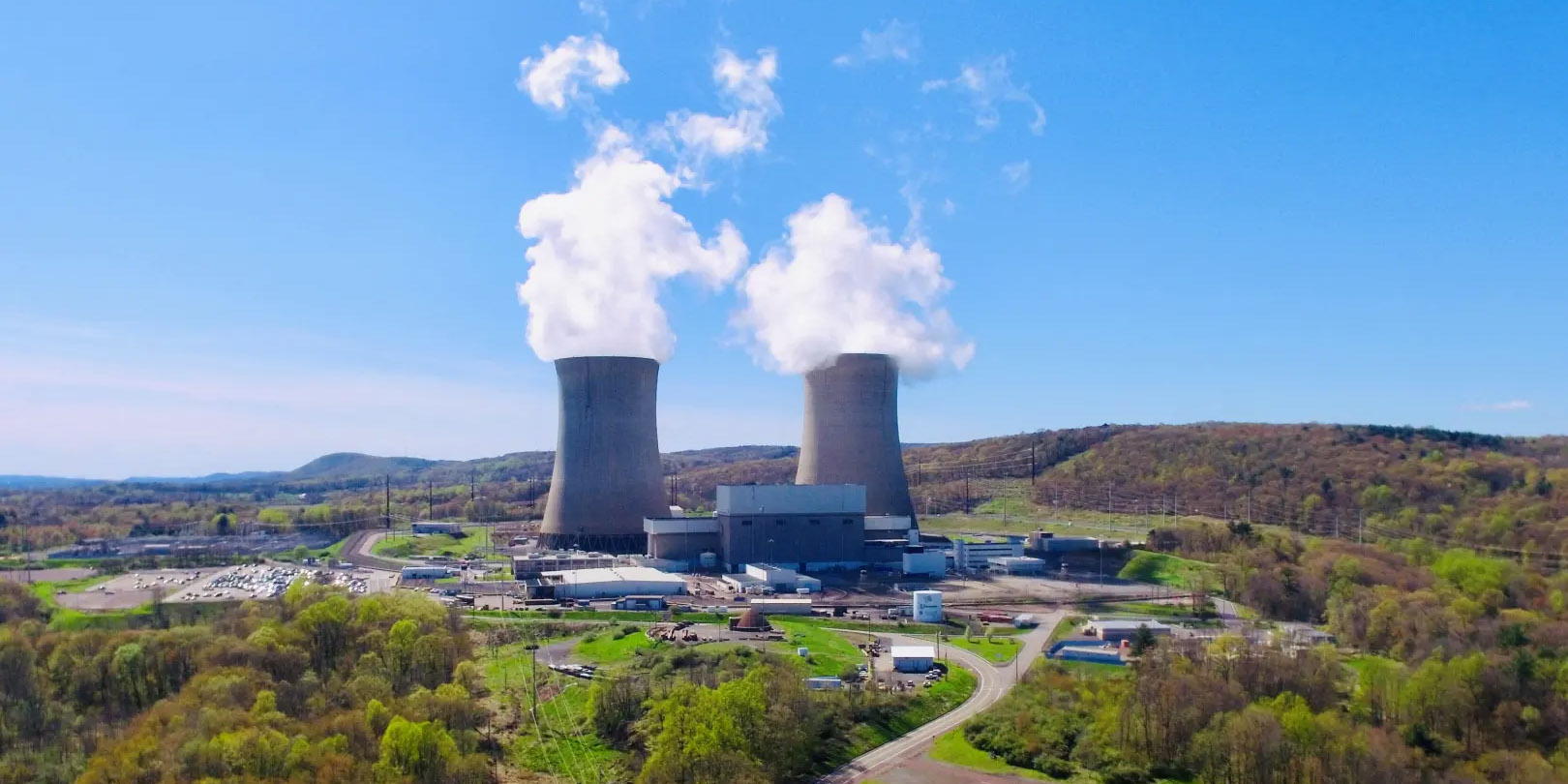
The Susquehanna nuclear power plant. (Photo: Talen)
The Federal Energy Regulatory Commission has denied plans for Talen Energy to supply additional on-site power to an Amazon Web Services’ data center campus from the neighboring Susquehanna nuclear plant in Pennsylvania.
The Duane Arnold Energy Center in Palo, Iowa. (Photo: NextEra Energy)
The Duane Arnold nuclear power plant in Iowa could see new life, according to NextEra Energy chief executive officer John Ketchum.
“There would be opportunities and a lot of demand from the market if we were able to do something with Duane Arnold,” Ketchum said on Wednesday this week during the company’s second-quarter earnings call.
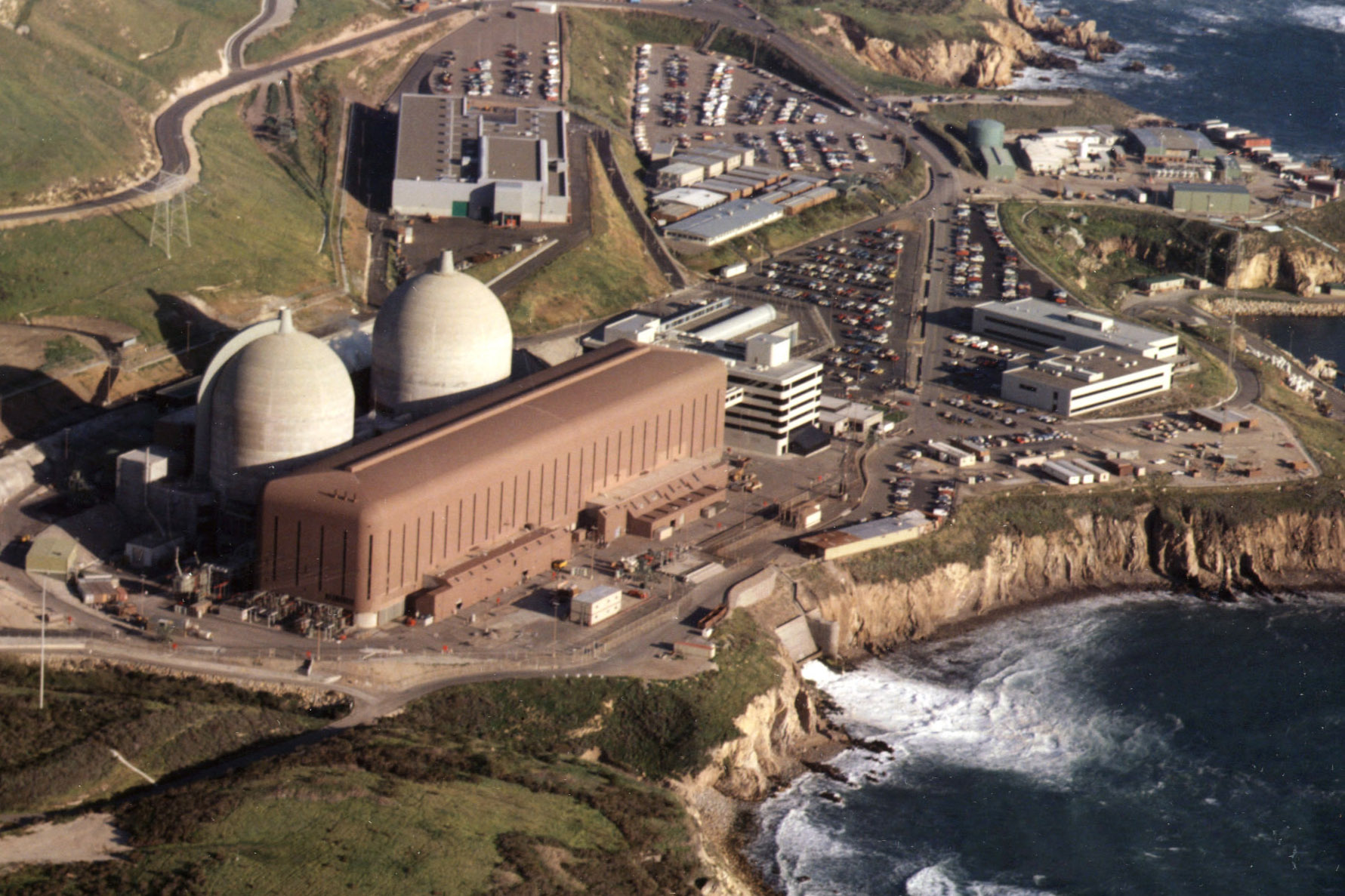
Diablo Canyon nuclear plant. (Photo: PG&E)
Last April, Entergy had to close its Indian Point nuclear plant. That’s despite the plant’s being recognized as one of the best-run U.S. nuclear plants. That’s also despite its 20-year license extension process having been nearly completed, with full support from the Nuclear Regulatory Commission.
This closure was due in large part to opposition by antinuclear environmental groups. These groups also mobilized existing negative public opinion on nuclear energy to get politicians to oppose the plant’s license extension. Another factor is unfair market conditions. Nuclear energy doesn’t get due government support—unlike solar, wind, and hydro—despite delivering clean, zero-emissions energy.


 Nuclear power plants around the world generated 2,553 TWh of electricity in 2020, a drop of 104 TWh from 2019’s total, according to